
Metallomics Training
Learn to measure, analyze, and interpret metal data for epidemiology, research, and public health applications.
Modules/Weeks
Weekly Effort
Discipline
School
Format
Cost
Course Description
Metals and metalloids are critical environmental exposures with significant implications for human health. Advances in metallomics now make it possible to generate high-precision measurements across tissues, biospecimens, environmental media, and complex mixtures. However, many researchers lack hands-on experience with the analytical methods and data interpretation skills required to use this data effectively.
This two-day intensive training provides a practical introduction to metallomics, covering the full workflow from laboratory methods to statistical analysis, interpretation, and policy translation. Participants will learn how metal data is generated, how to work with instrument outputs, and how to apply these insights in epidemiologic and translational research.
Through a combination of lectures, laboratory demonstrations, guided exercises, and discussion, the program emphasizes real-world application and practical skill development.
In this course, you will:
- Understand how metals are measured across biological and environmental samples
- Work with and interpret instrument outputs from trace element analysis
- Apply modern statistical approaches to metal data, including mixtures methods
- Translate findings into insights for research, communities, and policy decision-making
This course is ideal for:
- Postdoctoral fellows, researchers, and public health professionals working with environmental exposures
- Early-stage investigators seeking practical experience with metallomics methods and data
- Professionals looking to strengthen their ability to analyze and interpret complex exposure data
By the end of the training, you will be equipped to work more confidently with metal data and apply metallomics approaches to real-world research and public health challenges.
Course Prerequisites
Participants should be comfortable using Excel and have basic experience with R.
What You Will Learn
This training provides a comprehensive, end-to-end introduction to metallomics, guiding participants from the generation of metal data to its analysis, interpretation, and application in real-world contexts. By the end of the program, you will understand how metals are measured, how to work with instrument outputs, how to apply modern statistical approaches to complex exposure data, and how to translate findings into meaningful insights for research, communities, and decision-making.
By the end of the training, participants will be familiar with the following topics:
- How metals are measured
- Understand and manipulate instrument outputs
- Apply modern statistical tools to metal data (including mixtures approaches)
- Translate findings back to study participants, communities, and decision-makers
Instructors
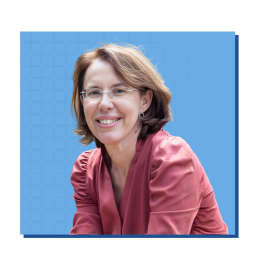
Ana Navas-Acien is a physician-epidemiologist and a leading expert in environmental health sciences. Her research focuses on the health effects of environmental exposures, including metals, air pollution, and tobacco-related products, as well as the biological mechanisms and interventions that can reduce their impact.
She serves as Principal Investigator on multiple large-scale studies, including the Strong Heart Study, the Multi-Ethnic Study of Atherosclerosis (MESA), and the Trial to Assess Chelation Therapy (TACT2). Her work spans epidemiology, clinical research, and public health, with a focus on reducing environmental health disparities in underserved populations.
Dr. Navas-Acien is also Editor-in-Chief of Current Environmental Health Reports and has received numerous honors for her contributions to research, mentoring, and public health

Kathrin Schilling is an Assistant Professor of Environmental Health Sciences at Columbia University and Director of the Multi-Element Trace Analysis Laboratory (METALab). Her research advances the measurement and application of metallomics, with a focus on how essential and toxic elements influence human health.
Her work integrates analytical chemistry, molecular biology, and epidemiology to develop high-precision methods for detecting trace elements and their isotopes in biological and environmental samples. She has pioneered research using isotope patterns as early indicators of disease risk and continues to explore how metal exposures contribute to conditions such as cancer, diabetes, and women’s health outcomes.
Dr. Schilling’s contributions have been recognized internationally, including the Royal Society of Chemistry’s Metallomics Young Investigator Award, and her lab supports interdisciplinary research across environmental and global health.